
When 'I Don't Want to Go to School' Means Something More

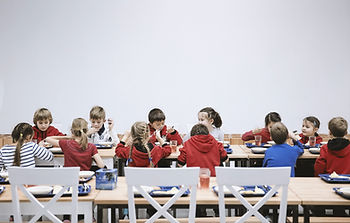
Most parents have heard these words at some point: "I don't want to go to school." Sometimes, it is simply because a child is tired, would rather stay home, or isn't looking forward to a particular activity.
But when those words become a regular part of the morning routine, accompanied by tears, stomach aches, anger, or an overwhelming reluctance to leave the house, there may be something more going on.
For parents, school mornings can quickly become a source of stress. What begins as gentle encouragement can turn into negotiations, frustration, and tears, leaving everyone exhausted before the day has even begun. It can be tempting to assume a child is being difficult or trying to avoid responsibility, but school refusal or avoidance is not always about a child simply not wanting to attend school. Sometimes, it is about a child finding something about school emotionally difficult to manage.
Looking Beyond the Morning Struggle
School is a significant part of a child's world. Beyond academics, children are constantly navigating friendships, social expectations, classroom routines, and relationships with teachers. They are learning how to manage disappointment, cope with mistakes, and find their place among their peers.
For some children, these experiences can become overwhelming. A child who is struggling with friendships may dread recess. Another who feels anxious about academic expectations may worry about making mistakes in front of classmates. Some children find separation from their parents particularly difficult, while others may feel overwhelmed by noise, crowded classrooms, or unpredictable routines.
What makes these situations challenging is that children cannot always explain what is bothering them. They may not understand their own feelings well enough to identify the source of their anxiety. Instead, their distress may appear through physical complaints, emotional outbursts, clinginess, or repeated requests to stay home. When a child says, "I don't want to go to school," they may really be saying, "Something about school doesn't feel okay, and I don't know how to explain it."
When Anxiety Shows Up as Behaviour
Children experience anxiety differently from adults. While an adult may recognise and describe feelings of worry or dread, a child may experience those same emotions through physical sensations or changes in behaviour.
Stomach aches, headaches, difficulty sleeping, irritability, and tearfulness can sometimes accompany school-related anxiety. Parents may notice that these symptoms become more pronounced on school mornings or Sunday evenings, only to ease when the child is allowed to remain at home.
For some children, the difficulty is not school itself but a particular experience associated with it. Perhaps they are worried about being left out, struggling to keep up academically, or feeling uncomfortable around a particular classmate. For others, the anxiety may be connected to changes at home, such as moving house, family conflict, or the arrival of a new sibling.
These experiences do not mean that every reluctant child has an anxiety disorder. However, when school-related distress becomes persistent or begins affecting a child's wellbeing and daily functioning, it deserves attention rather than dismissal.
How Parents Can Respond
When mornings become a struggle, parents often feel caught between wanting to comfort their child and knowing that school attendance is important. Finding that balance can be difficult, particularly when a child becomes visibly distressed. Rather than focusing only on getting the child through the school gates, it can help to explore what may be making school feel difficult. Conversations are often more productive during calm moments, rather than in the middle of a morning meltdown. A gentle question such as, "Is there a part of the school day that feels especially hard for you?" may be easier for a child to answer than simply asking why they do not want to go.
Listening without immediately offering solutions can also make a difference. Children need to feel that their concerns are taken seriously, even when adults see the situation differently. Working collaboratively with teachers can help identify patterns and create practical strategies that support the child's emotional wellbeing while maintaining a manageable connection to school.
If a child is experiencing bullying, significant anxiety, or ongoing distress, additional professional support may be necessary. Physical complaints should also be taken seriously rather than automatically attributed to anxiety.
How Play Therapy Can Help
For children who struggle to communicate their worries verbally, play therapy can offer a different way to explore their experiences. Through play, children may express feelings about friendships, separation, expectations, or situations where they feel powerless or uncertain. A child who finds school overwhelming may not be able to explain why, but themes involving fear, control, belonging, or safety may emerge naturally within the therapeutic relationship.
Play therapy provides a supportive environment where children can explore these experiences at their own pace while developing emotional awareness, confidence, and coping skills. Alongside guidance for parents and collaboration with schools where appropriate, this can help families better understand and address the difficulties contributing to school avoidance.
Understanding What Your Child Is Really Saying
Not every difficult school morning is a cause for concern. Children have good days and bad days, just as adults do. But when reluctance becomes a recurring struggle, it is worth looking beyond the behaviour to understand what may be happening underneath. A child who refuses to put on their uniform, cries at the school gate, or complains of feeling sick may not be trying to make the morning difficult. They may be struggling with something that feels too big to manage alone.
As parents, we cannot remove every challenge our children encounter at school, nor should we aim to. Learning to navigate difficulties is part of growing up. But children should not have to face overwhelming experiences without understanding and support. Sometimes, the most helpful response to "I don't want to go to school" is not another reminder of why school is important, but a gentle conversation about what is making it so hard.
Because before we can help children feel ready to face the school day, we first need to understand what they may be afraid of facing.
Do you think your Teen or Child could benefit from therapy? Speak to a qualified Play therapist to learn how your Teen or Child could benefit from play therapy. Click here to get in touch today, or if you want to know if Play Therapy could be suitable for your Teen or Child, click here to take our quiz!


Comments